
Novosibirsk Travel Guide: What to See and Do in Siberia’s Capital
 By Irena Domingo
Updated on
In This Article
Novosibirsk is the capital of Siberia, Russia’s third-largest city and the big Trans-Siberian stop between Yekaterinburg and Irkutsk. Don’t expect a postcard city of kremlins and golden domes: it’s young, huge and very Siberian. But it has the largest opera house in the country (yes, bigger than the Bolshoi), one of Russia’s best zoos, the legendary Akademgorodok and a first-class cultural scene. If you’re riding the Trans-Siberian, don’t even think about passing it by.
How long should you stop? With one full day you’ll see the essentials of the centre, almost all on foot or by metro. With two days you’ll have time to cross over to Akademgorodok, the zoo or the Ob Sea. Here’s what to see, how to get there, how to get around, where to eat and when to go — with up-to-date prices and details.
Novosibirsk in 30 seconds: why stop here
Novosibirsk was born in 1893, built by the workers laying the railway bridge over the Ob River, which splits the city in two. Czar Nicholas II christened it Novonikolayevsk in 1903, and in 1926 it became Novosibirsk — “New Siberia”. Its growth was so explosive that it entered the Guinness Book of Records as the city that reached one million inhabitants fastest: it took just 70 years (Chicago took 90, New York 250 and Moscow 700).
Today it’s home to around 1.6 million people and is a scientific, cultural and transport hub rather than an open-air museum. And that’s exactly what makes it interesting: here you see the real Siberia — the one that lives and works — not the one in the brochures. That said, if you come in winter, wrap up properly: the winters are brutal, and daylight runs from about 7 hours in December to around 17 in summer.
How to get to Novosibirsk
First things first: Novosibirsk is 4 hours ahead of Moscow and about 3,300 km away (roughly the distance from London to well beyond Moscow). Forget driving; here it’s the train or the plane.
By train (the Trans-Siberian option)
Novosibirsk is the big Trans-Siberian stop after Yekaterinburg, roughly halfway between it and Irkutsk, the gateway to Lake Baikal. The fastest run from Moscow takes about 48 hours (nearly two days) and costs, depending on carriage class and season, roughly 50 to 150 euros. If you don’t have your tickets yet, I explain how to buy them in my guide to train tickets in Russia.
You’ll arrive at the main station, Novosibirsk-Glavny (on the Russian Railways website, search for it as “NOVOSIBIRSK GL”). It has a left-luggage office, so you can drop your bags, see the city and come back for your next train. It’s the largest station on the entire Trans-Siberian route and the second-biggest in Russia by floor area and passenger traffic, behind only Kazansky station in Moscow.

By plane
From Moscow there’s a direct flight in under 4 hours to Tolmachevo airport, just 17 km from the centre and the largest in Siberia. Several Russian airlines fly it daily — S7 (which has its main base here), Aeroflot and Ural Airlines — with prices from around 120 euros. There are no direct flights from Western Europe, so you’ll need to connect through a third country (Istanbul, Yerevan, Astana or Dubai are the usual routes). I cover it in detail in the flights to Russia guide.
From the airport to the centre you can take buses 111E or 112 (to Kalinin Square and the bus station), or a taxi, which averages 700–900 rubles. The taxi app that works is Yandex Go.
How to get around Novosibirsk
On foot and by metro
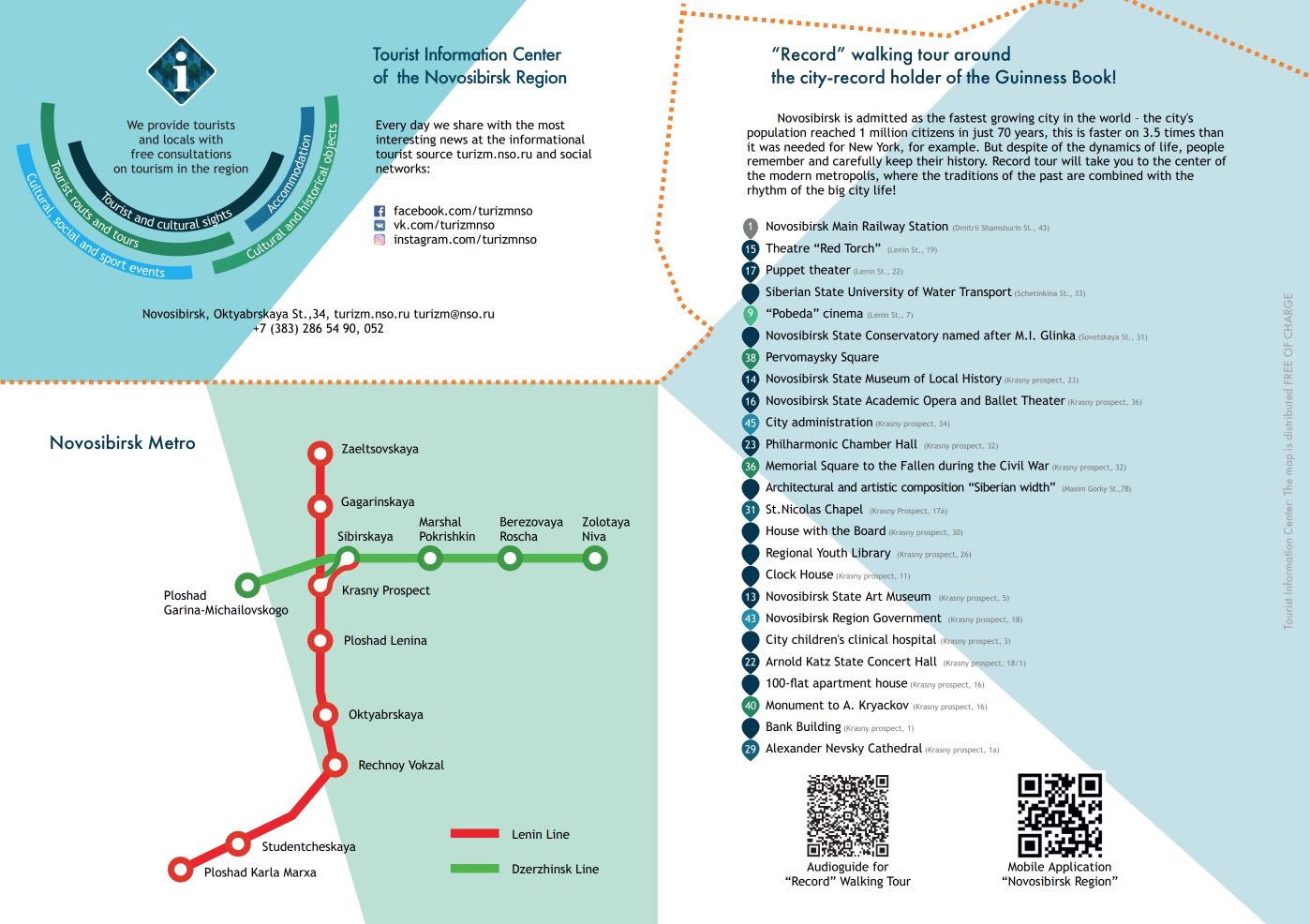
You can do almost everything important in the centre on foot. For longer hops there’s the metro — the only one in all of Siberia: just 2 lines and 14 stations, so it’s impossible to get lost. A ticket costs 48 rubles, whether you pay with a token or a bank card.
Its claim to fame is the longest metro bridge in the world: 2,145 metres (896 of them over the Ob River). With the brutal temperature swings between winter and summer, it can stretch by 50 centimetres. Crossing it is a little excursion in itself: hop on at “Rechnoy Vokzal” and get off at “Studencheskaya”. While you’re at it, peek into two stations that are attractions in their own right: “Sibirskaya”, with mosaic panels on Siberian nature and history, and “Rechnoy Vokzal”, with ten illuminated circular stained-glass windows, each dedicated to a Siberian city. If you like the little details, the local transport cards come with regional designs (a sable, the zoo or the fourth bridge).

Tram, trolleybus, bus and taxi
There’s a dense network of trams, trolleybuses and buses for reaching the more far-flung neighbourhoods (Akademgorodok, the zoo, the railway museum…). For everything else, Yandex Go is quick and cheap.
By boat on the Ob (summer only)
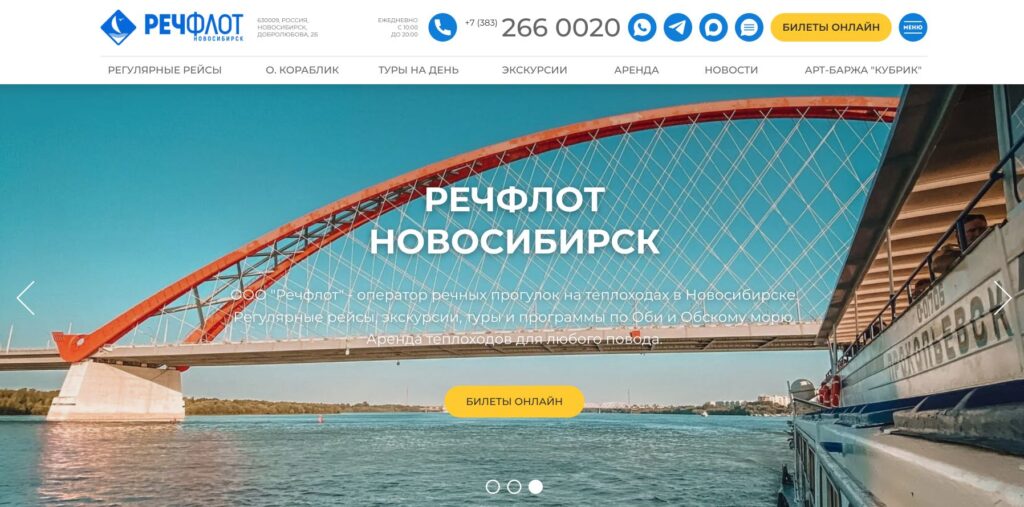
If you’re travelling in the warm season, you can take a cruise on the Ob River, which is frozen the rest of the year. Along the way you’ll get a close-up of the Bugrinsky Bridge, which I’ll tell you about below.
What to see in Novosibirsk in one day (the centre)
This route starts at the station, where you’ll most likely arrive, and heads down Krasny Prospekt, the main avenue (nearly 7 km — one of the longest straight streets in Russia). It’s all walkable.
Novosibirsk-Glavny station
Start with the station building itself. A mix of Constructivism and Soviet neoclassicism, it has an unmistakable green façade and, head-on, looks like a locomotive. Notice how part of the building sits below the level of the square: it’s a two-level station. Outside is the square named after Garin-Mikhailovsky, one of the engineers who drove the Siberian railway.

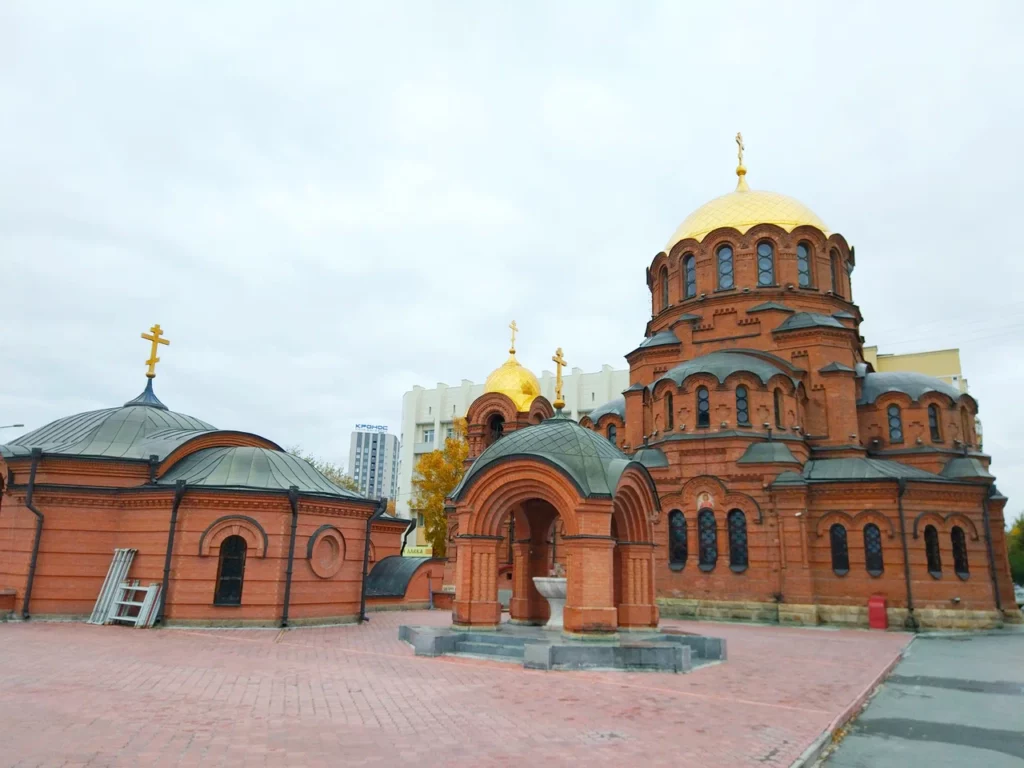
St. Alexander Nevsky Cathedral
The first stone building in Novosibirsk, from 1899 — barely six years after the first settlement. It’s Russian-Byzantine in style and sits on a small rise, designed to be seen from the train and the river. In the Soviet era it was closed, its bells removed and there was even an attempt to blow it up; after a long restoration it reopened in the mid-2000s. Inside it keeps the original iconostasis and an image of the Virgin of Iveron, a gift from the czar’s family.
St. Nicholas Chapel
A small chapel from 1914–1915, demolished in 1930 (a monument to Stalin once stood in its place) and rebuilt in 1993 for the city’s centenary. A local legend places it at the geographic centre of Russia; that point is actually in Krasnoyarsk Krai, but it’s a nice story. Its image is so beloved it even appears on a famous local chocolate, the “Centr Derzhavy”.
Lenin Square and the Opera and Ballet Theatre (NOVAT)
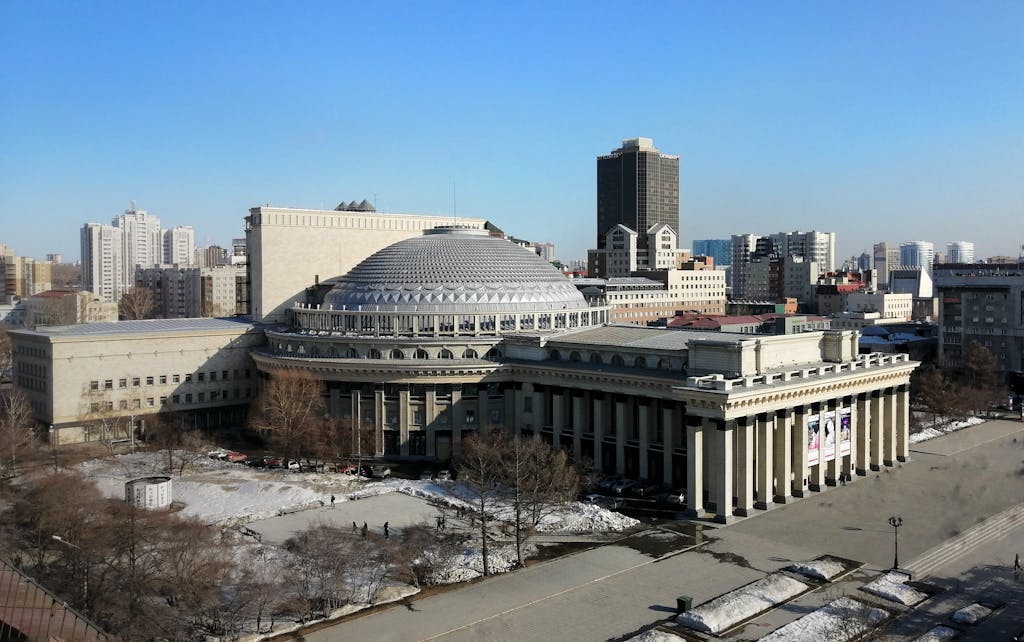
We reach the heart of the city. On Lenin Square stands the State Academic Opera and Ballet Theatre, now known as NOVAT: the largest theatre in Russia — bigger even than the Bolshoi in Moscow — and technically one of the best-equipped in the country. They call it the “Siberian Coliseum” for its enormous dome, 60 metres across.
Its story is something out of a film. Construction began in 1931 as the “House of Science and Culture”, with the opening planned for August 1941 — but the war got in the way. It finally opened on 12 May 1945 with Glinka’s “Ivan Susanin”, and during the conflict it sheltered the collections of 20 evacuated museums within its walls, including the Tretyakov Gallery itself. Inside it seats 1,774, with 16 statues and a chandelier of 472 crystals.

My advice: go to a performance. Tickets run from 1,500 to 7,500 rubles. The programme ranges from “The Nutcracker” or “La Bayadère” to “Carmen”. It stays open in summer too.

On the same square is the Lenin Monument (1970): besides Lenin with his cape billowing like a superhero, he’s flanked by workers, peasants and soldiers. A textbook Soviet tableau, and very photogenic.

The House of a Hundred Flats
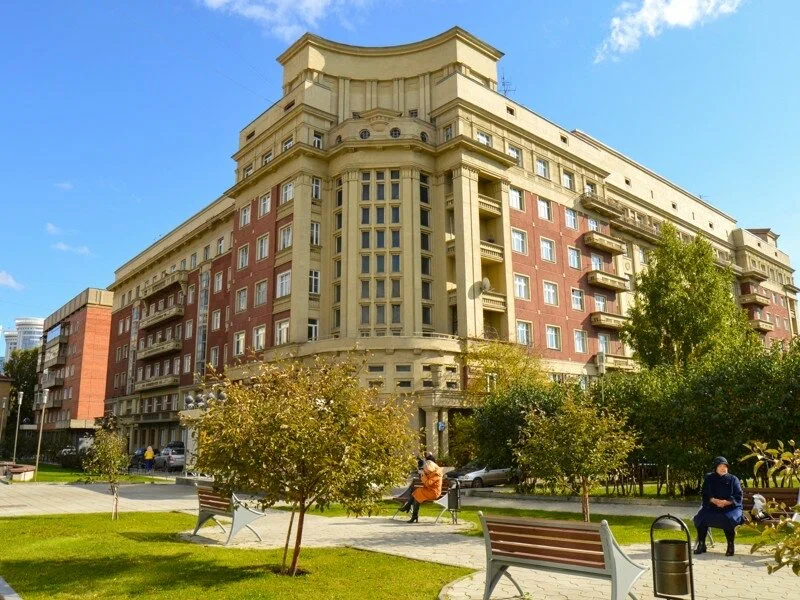
A few steps along Krasny Prospekt stands the city’s most famous residential building, the “Stokvartirny dom”. Architect Andrei Kryachkov designed it in 1937 as an experimental complex with its own nursery and every comfort, and it won international awards. It’s the only residential building in Novosibirsk listed as a heritage site of federal importance: ceilings over three metres high, huge kitchens, windows in the bathrooms and even servants’ quarters. Out front there’s a monument to Kryachkov himself.
Museum of Local History and Museum of Nature
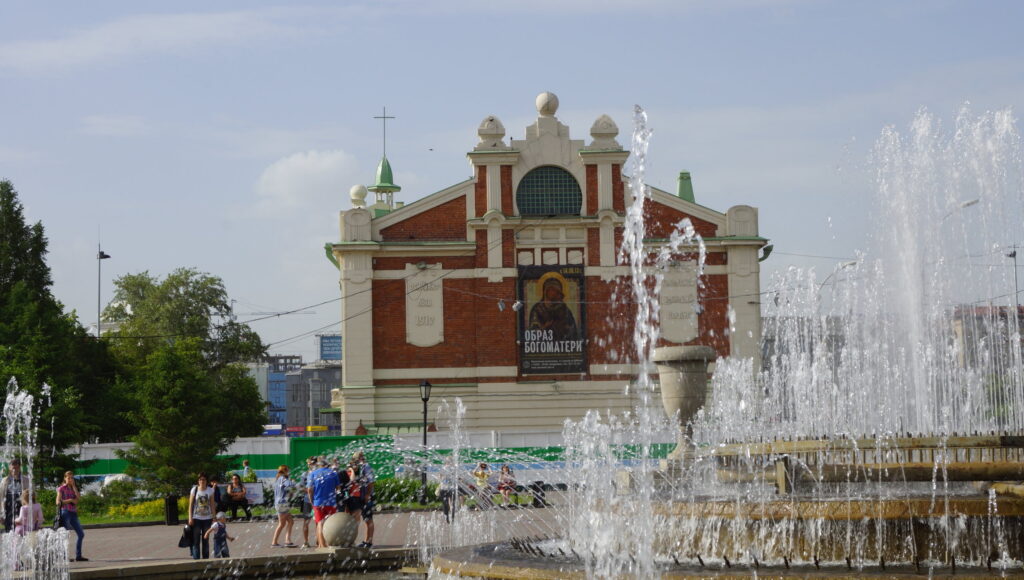
The State Museum of Local History occupies the former Chamber of Commerce (1910), a handsome rationalist-modern building on Krasny Prospekt. It’s a good way to understand where this part of Siberia comes from: native peoples from the Paleolithic, ethnographic collections and a hall devoted to sun worship and shamanism.
The jewel is in its Museum of Nature: a complete mammoth skeleton, preserved thanks to the Siberian ice, alongside a woolly rhinoceros and a cave bear. Both museums open Wednesday to Sunday (closed Monday and Tuesday) and entry is dirt cheap, around 100–200 rubles.

The “Tikhiy Tsentr”, the quiet centre
Before heading down to the river, wander through the Tikhiy Tsentr (“quiet centre”), the historic district between Krasny Prospekt and the railway. Pre-Revolution merchants’ houses survive here, many in carved wood, mixed in with Soviet blocks. Look for the merchant Bizolin’s house (Gorky Street) or the Runin house (Chaplygin Street), lovely examples of Siberian wooden architecture. It’s the prettiest, least touristy side of Novosibirsk.
The Mikhailovsky Embankment, on the banks of the Ob
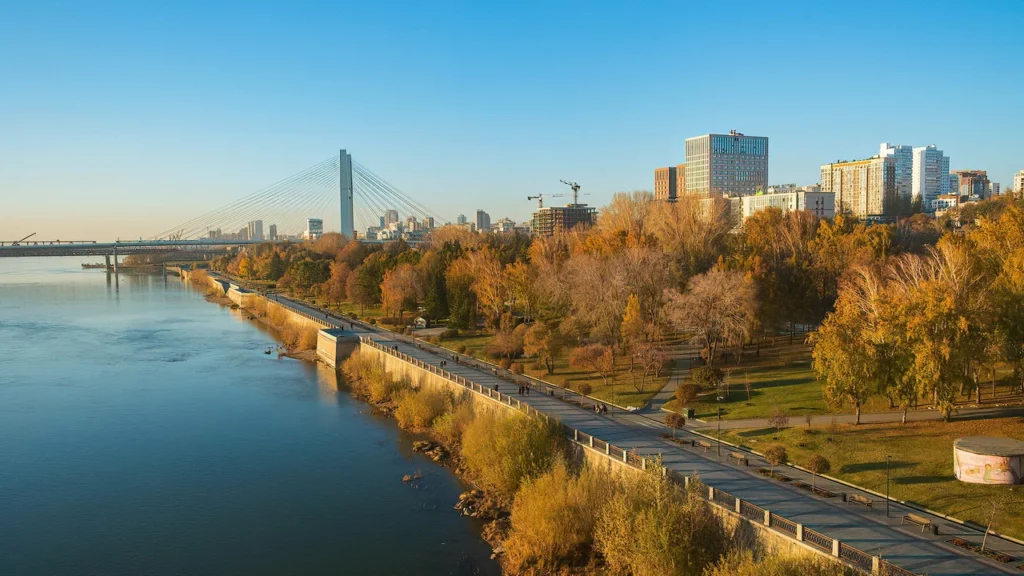
The riverside promenade is the city’s great meeting point. There are bike and scooter lanes, cafés, a Ferris wheel and viewpoints over the river and the far bank. In May the pink crab-apple trees blossom, and in winter they set up an ice rink and a snow town. The best plan, according to locals, is to sit at sunset and watch the sun set the river ablaze. At the start of the embankment is the small, charming Novosibirsk Museum (4 Obskaya Street), in a building with a unique carved-wood frieze: if they show you round with a guide, you’ll get a lot more out of it.
What to see if you have a second day (and around)
Akademgorodok, the Siberian Silicon Valley
If you can only make one trip out of the centre, make it this one. Akademgorodok (“academic town”) was founded in 1957 deep in the forest, on the shore of the Ob Sea, as one of the USSR’s great scientific centres. Today it brings together Novosibirsk State University and some twenty research institutes. Its main street, Lavrentiev Avenue, is in the Guinness book as “the smartest street in the world” for the concentration of science along 2.4 kilometres.
Stroll among the squirrels (they’re everywhere) and seek out its quirkier corners: the Technopark, two towers everyone calls “the Geese” for their shape; the famous monument to the laboratory mouse knitting a strand of DNA, a tribute to the animals that have advanced science; or the university’s “cheat-sheet bench”, covered in formulas. To get a feel for life here in the 1960s, visit the Integral Apartment-Museum (4 Pravdy Street), where you can touch everything. It’s about 30 minutes by car or around an hour on bus 8 (stop “Tsvetnoy proezd”).

Novosibirsk Zoo
One of the best zoos in Russia and the locals’ favourite spot for a day out. Across its 65 hectares of forest live some 11,000–12,000 animals of more than 770 species, with a strong focus on breeding endangered ones. Its emblem is the snow leopard, but you’ll also see Amur tigers, polar bears and rarities like the jaguarundi. This is where “Kiara”, an extremely rare liliger, was born in 2012 and made headlines worldwide. It gets around 1.5 million visitors a year. Tickets are very cheap (around 300 rubles for adults, 150 for children) and it’s an easy 20–25 minutes on trolleybus 2 from the station.
The Ob Sea
It’s not a sea but a huge reservoir created in 1959 — though its size is striking: 200 km long by 22 wide, almost the area of St. Petersburg. In summer it’s the city’s beach: several swimming areas (the most popular is the Central one), catamaran rentals and picnic spots for a shashlik. It’s right next to Akademgorodok, so the two combine perfectly in one day. Bring a windbreaker: it cools down at sunset.
The Bugrinsky Bridge
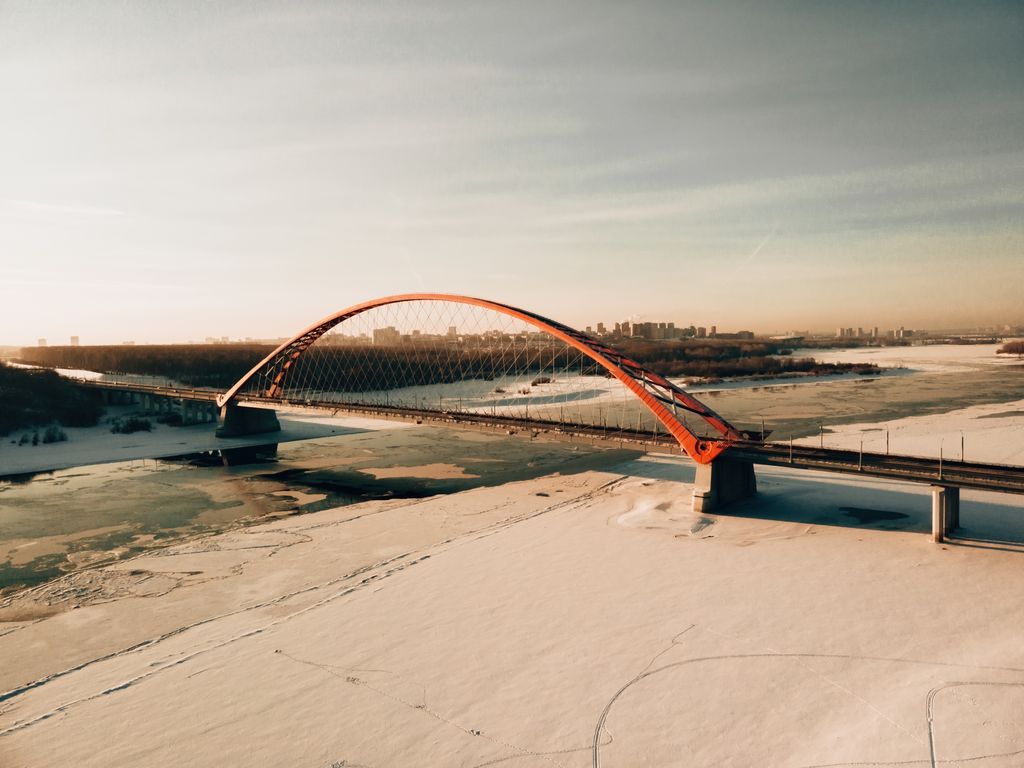
The symbol of modern Novosibirsk and, for many, the city’s most beautiful bridge. It opened in 2014 and is the largest arch bridge in Russia, with a 380-metre span. Its red arch evokes a drawn bow, the Siberian symbol that appears on the city’s coat of arms. It was built using a unique method (assembling the arch on the bank and sliding it onto the piers) that earned it an international FIDIC award. The best spot to photograph it is the viewpoint in Bugrinskaya Roshcha park.
Museum of the West Siberian Railway
An open-air museum (from 2000) that’s essential for grasping that without the railway there would be no Novosibirsk. You’ll see locomotives, passenger and freight cars, snow ploughs and one-of-a-kind pieces like an armoured carriage built for the czar or a hospital car from the Second World War. It’s about 25 km from the centre (39 Shamshurina Street), open Monday to Saturday, and entry is just 70 rubles.

For travelling with kids: Akvamir and the circus
If you’re travelling as a family, Akvamir is one of the largest indoor water parks in Russia, with slides for the daring; there’s a special fun to enjoying it with snow outside. And the Novosibirsk State Circus (a 1971 building seating 2,300) is a classic that never fails with little ones.


The Museum of World Funeral Culture (the “Death Museum”)
Sombre, but fascinating and utterly unique: it’s the only museum of its kind in Russia and one of the largest in the world. Its 30,000 exhibits trace the rites and culture of death in the 19th and 20th centuries: 200 mourning outfits, jewellery, death masks, coffin models, installations recreating catacombs and even a replica of Napoleon’s tomb. The Victorian mourning room is worth a guided visit. It’s not for everyone, but those who go come away impressed.
Opera, ballet and concerts: Novosibirsk at its best
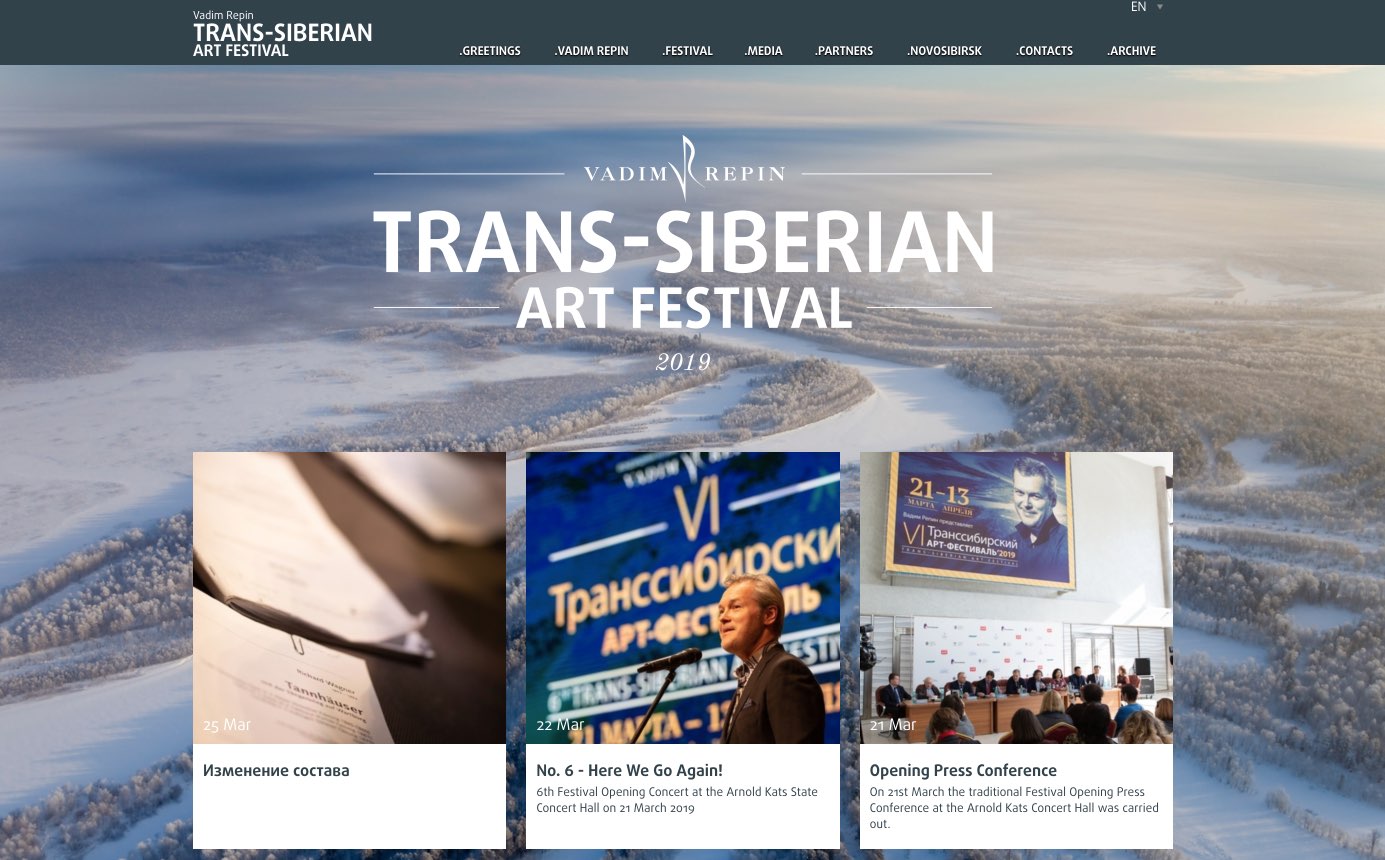
Beyond NOVAT, Novosibirsk is a musical powerhouse. The State Philharmonic programmes classical, jazz, folk and choral music in two halls worth knowing: the modern Arnold Katz Hall (2013, 1,080 seats) and the Chamber Hall in the House of Lenin. And if you’re travelling outside summer, note down the Trans-Siberian Art Festival, directed by Novosibirsk violinist Vadim Repin, with its best performances between March and April. After something more alternative? The “Krasny Fakel” theatre and the ЦК19 contemporary culture centre have excellent programmes.

Where to eat in Novosibirsk (Siberian cuisine included)
You’ll eat well and cheaply. For real Siberian cuisine, book a table at SibirSibir: dishes built on local produce, like grilled elk lip or reindeer roast beef. For atmosphere, Gorynych (open-fire cooking, fairy-tale Bilibin-style murals, average bill around 3,000 rubles) is an experience. Something authentic and cheap? Svetlitsa, one of the oldest pelmeni houses, in an early-20th-century wooden building (a portion of pelmeni, around 380 rubles). For variety, the Central Market Gastrocourt gathers over a hundred stalls from around the world. And a very local treat: the legendary hot dog from Hot-Dog Master (with Korean carrot and a “little hat” of cheese, for 81 rubles!).

What to buy: Siberian souvenirs
The most typical things to take home from Novosibirsk: cedar pine nuts and their by-products (praline, candied nuts), pine-cone jam, Siberian herbal teas (ivan-chai, elderflower, taiga berries), local chocolates like “Dary Sibiri”, and magnets and postcards with NOVAT on them. If you’re into crafts, look for birch-bark objects and the classic valenki (felt boots). The best places are the Central Market, the “Suveniry Sibiri” shop and, above all, “13-y tramvay”… a bookshop set up inside a real tram!
When to go and what to wear
Novosibirsk has an extreme continental climate, so be ready for sharp swings. For reference: in winter between -15 and -30 °C, and in summer between +20 and +30 °C (the odd week can spike to +35–40). Daylight runs from about 7 hours in December to around 17 at the height of summer.
The best time? June and July, if you’re after good weather for the embankment, the Ob Sea and walking (and when most Trans-Siberian travellers tend to pass through). If you’re into culture, March and April for the Trans-Siberian Art Festival. In winter, wrap up for real: hat, gloves and a good jacket. And if you freeze, you already know the best plan for warming up (keep reading).
Where to stay
The most convenient option is to stay in the centre, on the right bank, near Krasny Prospekt and Lenin Square: you’ll have monuments, restaurants and the metro on your doorstep. Prices are reasonable: a double hotel room starts at around 3,500 rubles a night, and a self-catering apartment from about 1,500. I explain the platforms that actually work for booking in Russia (and how to pay without a foreign card) in the accommodation in Russia guide.
End the day in a banya
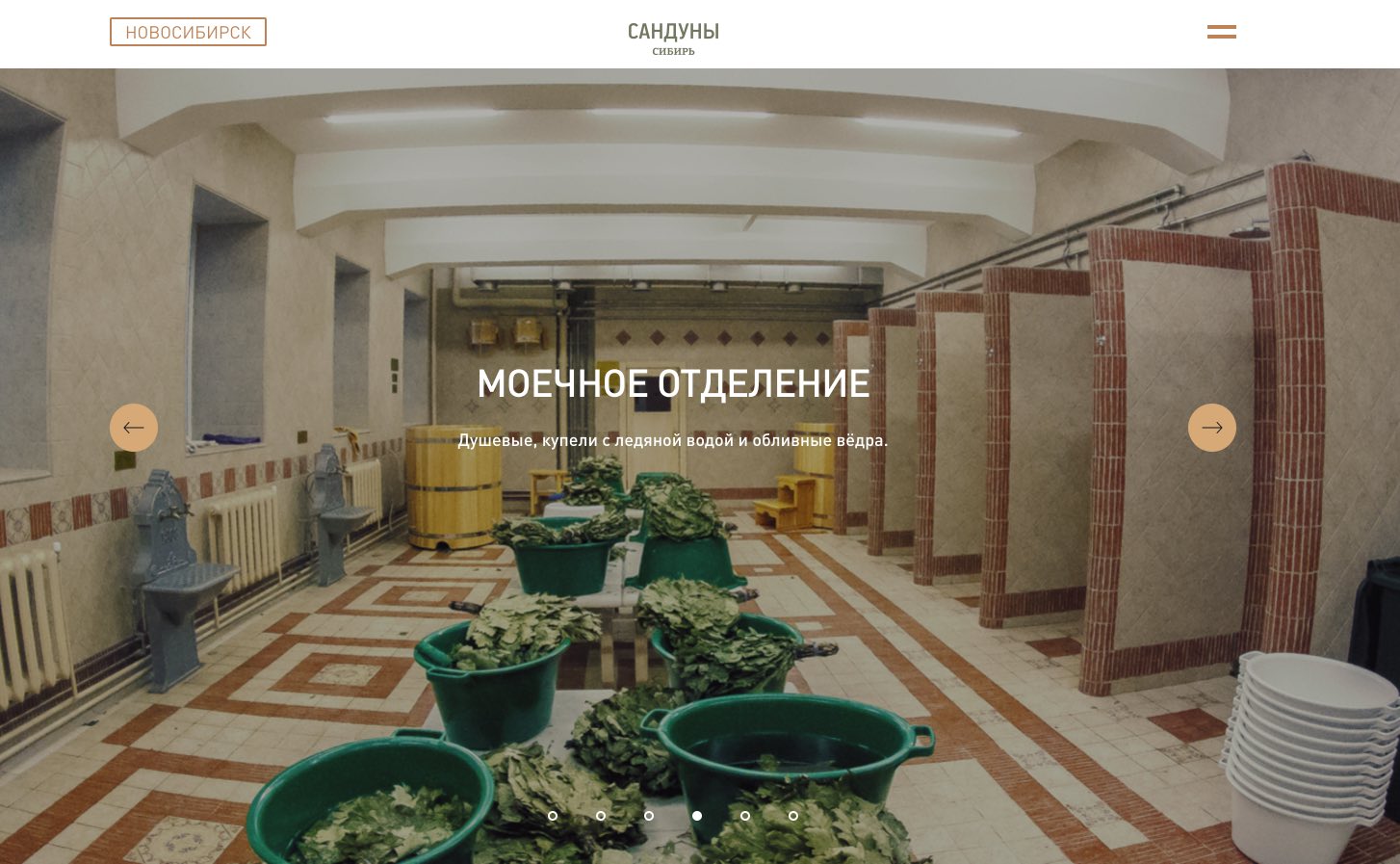
There’s no better way to round off a Siberian day than with a good Russian banya: sauna, steam, birch branches and relaxation — all the more welcome when it’s freezing outside. In Novosibirsk you have Sanduny Sibir, the local branch of the legendary Moscow banya. You’ll come out a new person.
Map of Novosibirsk
Here’s a map with all the places I’ve mentioned:
Clicking loads Google Maps, which may set cookies. Open in Google Maps
Frequently asked questions about Novosibirsk
How many days do I need in Novosibirsk?
With one full day you will see the essentials of the centre: the station, Lenin Square with the Opera and Ballet Theatre, St. Alexander Nevsky Cathedral and the Ob embankment. If you want to add Akademgorodok, the zoo or the Ob Sea, set aside two days.
Is it worth stopping in Novosibirsk on the Trans-Siberian?
Yes. It is the biggest stop between Yekaterinburg and Irkutsk, and the city has the largest opera house in Russia, one of the best zoos in the country and the famous Akademgorodok. The station has a left-luggage office, so you can drop your bags, see the city and carry on.
How do I get from Tolmachevo airport to the centre?
The airport is about 17 km away. You can take buses 111E or 112 to Kalinin Square and the bus station, or a taxi for around 700-900 rubles. The taxi app that works is Yandex Go.
When is the best time to visit Novosibirsk?
June and July for good weather, the embankment and the Ob Sea. March and April if you are interested in culture, for the Trans-Siberian Art Festival. In winter it is very cold (from -15 to -30 degrees), so wrap up well.
Does my Visa or Mastercard work in Novosibirsk?
No. Since 2022, foreign Visa and Mastercard cards do not work in Russia. Bring rubles in cash or get a MIR card for foreigners before your trip.
What are the must-sees in Novosibirsk?
The Opera and Ballet Theatre (NOVAT), Lenin Square, St. Alexander Nevsky Cathedral, the House of a Hundred Flats and the Mikhailovsky embankment in the centre; plus Akademgorodok and the zoo if you have a second day.
In This Article
Was this useful? I'll tell you when something changes in Russia
One short email a month with what has changed for travellers (visas, payments, border crossings, apps), based on what readers report to me from Russia. More than 4,000 of us already. No spam: if you ever lose interest, unsubscribing is one click.
Irena DomingoAbout Me
I was born in Russia. I grew up between two worlds: my father was Russian, my mother Spanish — a descendant of the "Children of Russia", the Basque children evacuated to the USSR during the Spanish Civil War. I've worked as a translator, interpreter and Russian teacher for over 30 years, and since 2013 I've been writing this blog to help travellers discover Russia with practical, always up-to-date information. Author of the Russiable Guide. If this blog has helped you plan your trip, you can buy me a coffee ❤️.
 Trains in Russia: Types, Classes and Travel Experience
 Vladivostok: What to See, How to Get There and Where to Go at the End of the Trans-Siberian
 How to Buy Train Tickets in Russia Despite the Sanctions